Services & Solutions
Independent marine hose engineering support across the entire hose lifecycle, from specification and manufacture to in-service inspection, repair and retirement.
Marine hose recertification in accordance to SMOG 2015
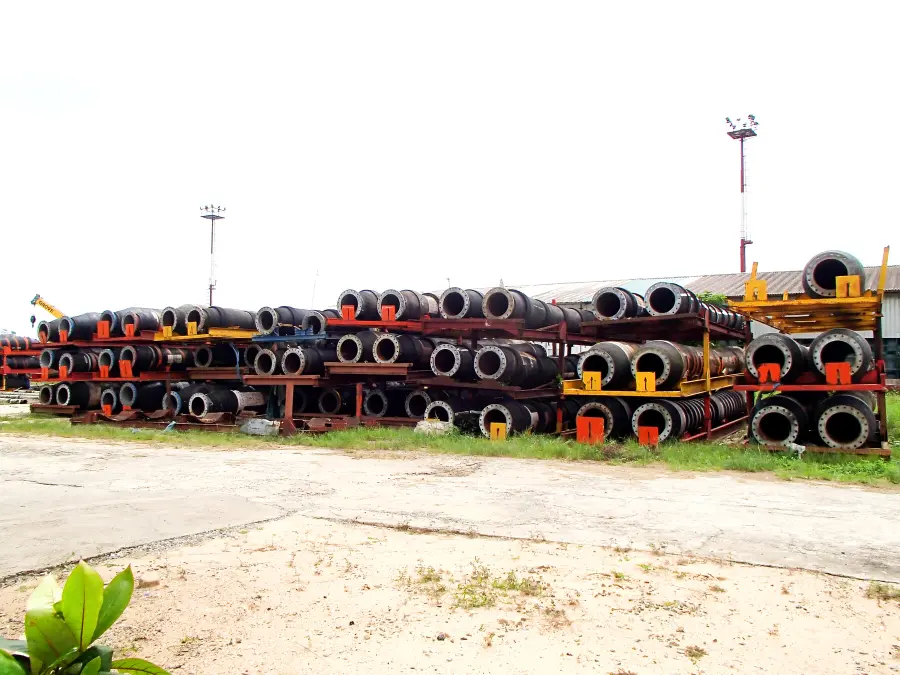
Routine onshore testing and inspection are essential for maintaining the integrity of marine hoses and reducing the risk of in-service failure.
Our services include marine hose testing, inspection, repair, refurbishment, and recertification. Each hose is thoroughly inspected for signs of wear or deterioration, with repairs carried out where required to restore safe operating condition and extend service life.
We also maintain a complete hose database for each terminal, providing inspection records, test results, maintenance history, and lifecycle tracking to support compliance and replacement planning.
All testing and inspection activities are performed in accordance with recognized industry standards, including:
- OCIMF Single Point Mooring Maintenance and Operations Guide (SMOG)
- International Safety Guide for Oil Tankers and Terminals (ISGOTT)
- OCIMF Guidelines for the Handling, Storage, Inspection and Testing of Hoses in the Field
- OCIMF Guide to Manufacturing and Purchasing Hoses for Offshore Moorings (GMPHOM)
Repair
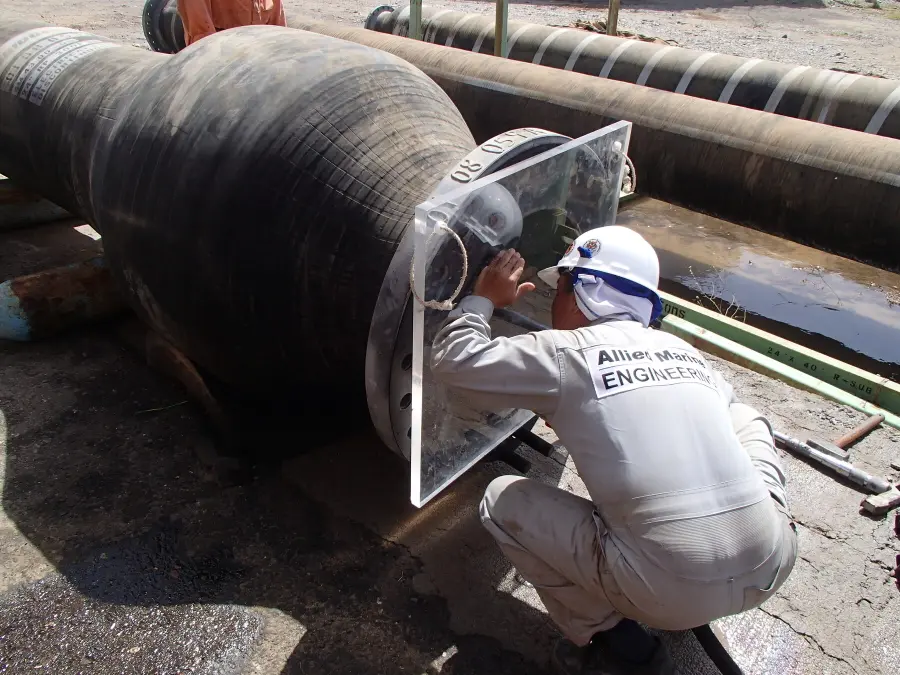
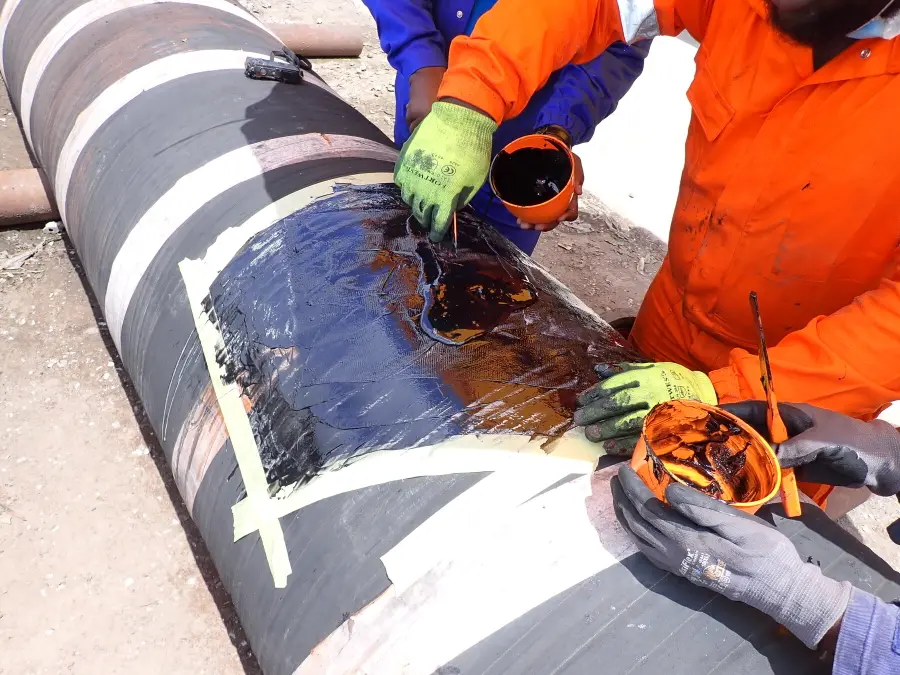
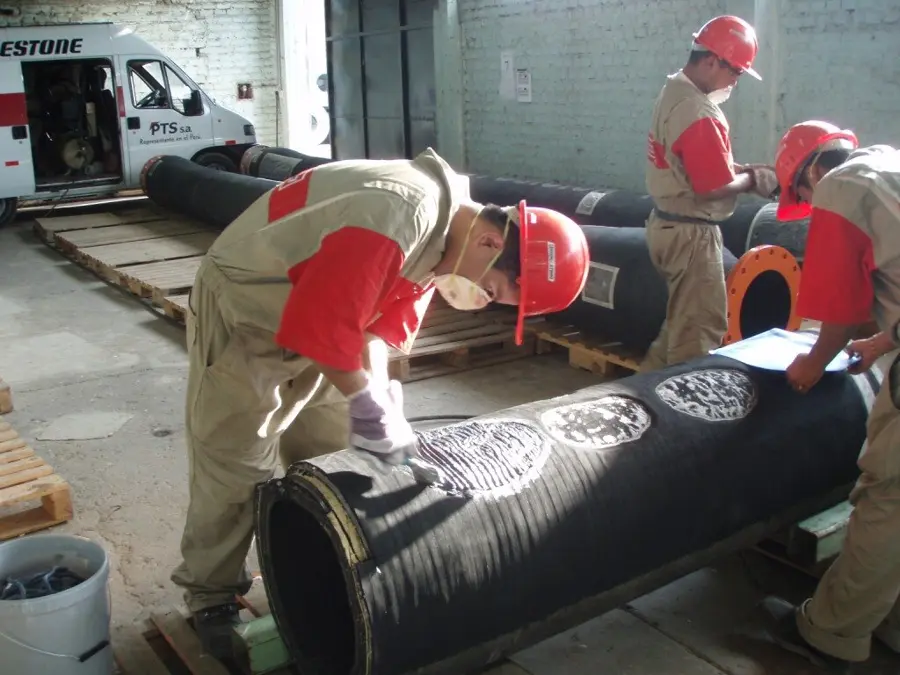
Marine hose outer covers may sustain damage from impact, abrasion, or normal operational wear. If left unrepaired, minor damage can develop into more serious defects that shorten hose service life or make the hose unsuitable for further use.
Early repair helps restore hose integrity, extend service life, and reduce replacement costs. Our experienced marine hose specialists carry out repairs using proven methods and quality repair materials, following manufacturer recommendations and industry best practices. Each repair is assessed individually to ensure the appropriate repair procedure is applied based on the extent of the damage.
Service life estimation / Burst testing / Destructive testing
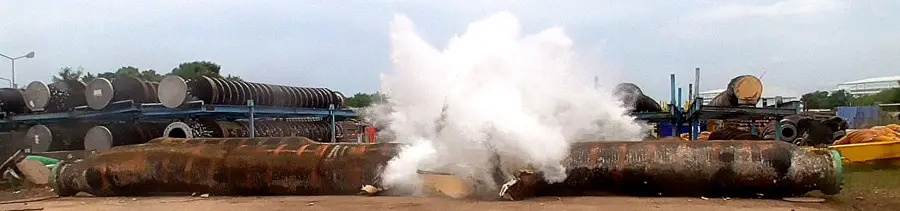
Determining the service life of hoses is complex. Currently, it can only be estimated through practical experience — by observing, inspecting, and testing hoses while they are in use, along with destructive testing.
Testing a portion of retired hoses helps identify how and why they fail, providing valuable data to set better service life and retirement guidelines. Operators are encouraged to develop and share their destructive testing programmes so the industry can improve safety and reliability together.
Field engineering advice
On-site engineering advice from specialists who are medical certified fit for site and offshore works, supporting your team with hose handling, installation, operation and troubleshooting at the terminal.
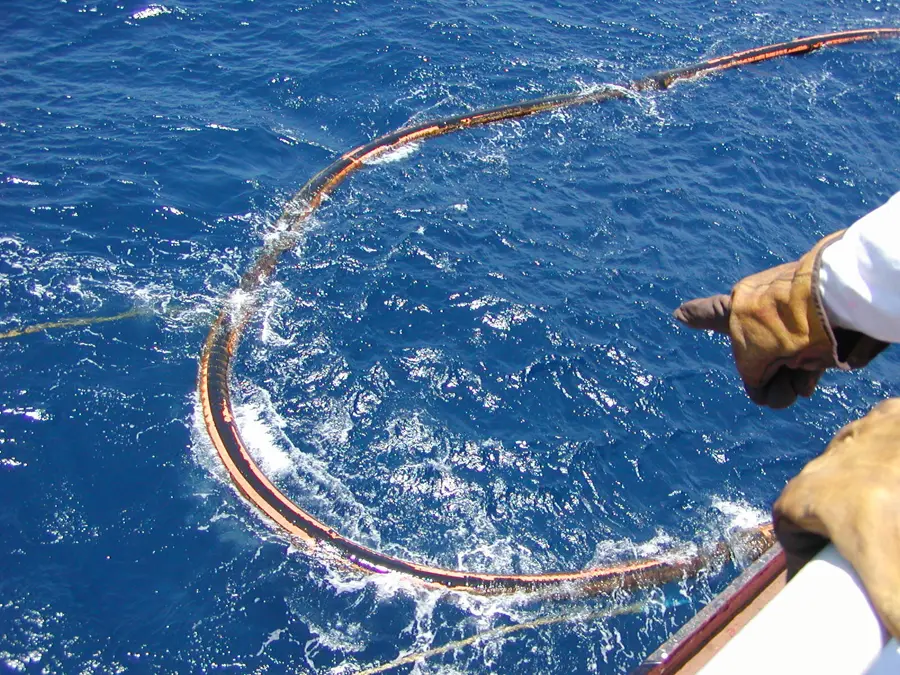
System integrity testing
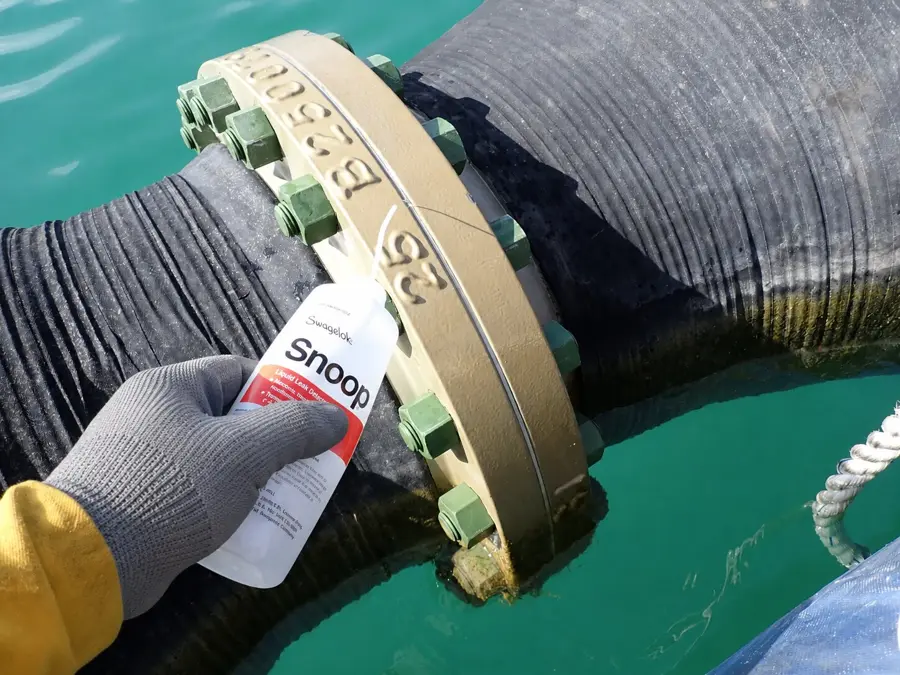
Once the hose string is fully assembled, all bolted joints and connections must be thoroughly inspected and tested to confirm they are completely leak-free.
We have successfully completed various integrity testing using either hydro or compressed air as test medium, with the aid of tracer dye and soapy liquid.
Purchase specification review
Marine hose specification should be reviewed, as lessons learned since start-up can be incorporated to improve hose designs, prevent repeat issues, and enhance overall system performance.
To support this, we can help prepare an updated specification tailored to your terminal’s needs, assist with technical evaluations for compliance with the latest GMPHOM 2009 guidelines (which improve hose durability and reliability), and witness critical tests to ensure fitness for purpose.
Training
We are committed to continuous improvement and sharing knowledge across the industry. By exchanging experiences, we can tackle common challenges and raise best practices in the marine hose industry.
Drawing on our extensive expertise, we offer impartial advice throughout the entire hose lifecycle — from initial feasibility to final disposal. We also provide tailored training, either on-site or at our offices, using real lessons learned, new developments, and the latest inspection technology.
Typical training topics include:
- Offshore in-service testing and inspection (including failure modes)
- Offshore installation, operation, and handling
- Onshore storage, handling, assembly, and recertification
- Service life estimation and extension
- Sparing recommendations
- Repair guidelines
- New inspection techniques
- Ancillary equipment and OCIMF guidelines
Client representative at manufacturer works
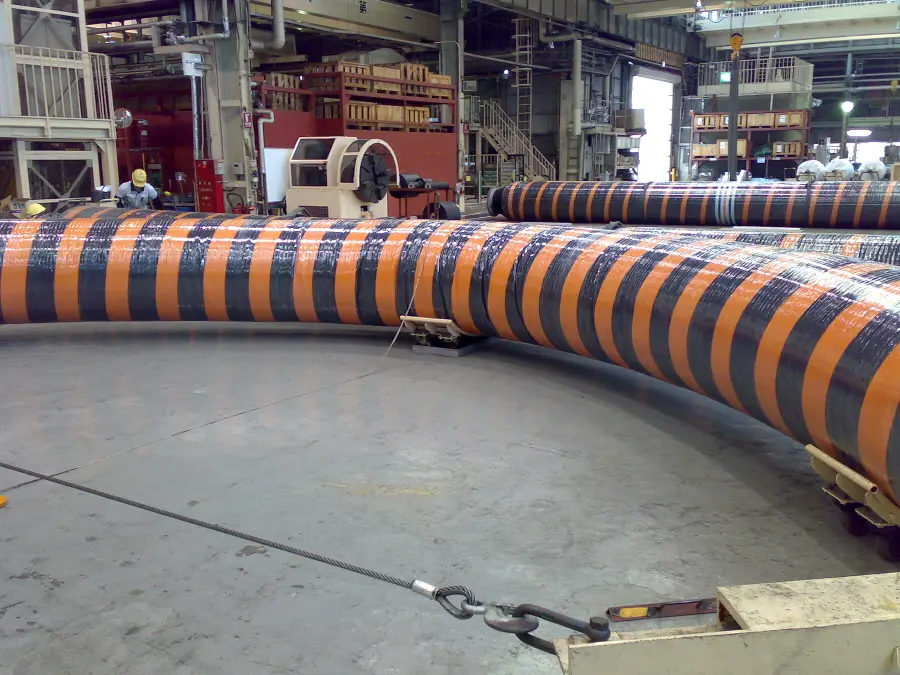
We attend manufacturer works on your behalf for in-line inspections, acceptance tests, and pre-shipment inspection and packing.
Marine hoses are sophisticated composite products made from a range of elastomer materials and reinforcing layers. Designs can differ considerably between manufacturers, and because they are largely hand-built to specific orders, final quality depends heavily on the materials selected, the skill and care of the builders, and strict adherence to quality control processes.
In-line inspection by the purchaser or his nominated representative, during the construction and testing of hoses, is recommended. The inspector should possess in-depth knowledge of the hose design and a clear understanding of the operating conditions it will face.
Discuss your marine hose requirements
Reliable, unbiased solutions tailored to your terminal.